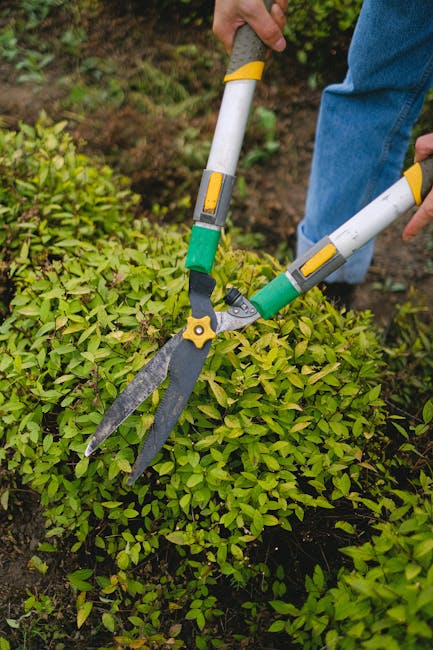
Garden maintenance price comparison London versus Manchester
If you are trying to work out whether garden maintenance price comparison London versus Manchester will save you money, you are not alone. A lot of homeowners, landlords, letting agents and property managers want the same thing: a clear sense of what garden care should cost, what changes the price, and whether location really makes a noticeable difference. Truth be told, it often does.
London and Manchester both have active garden services markets, but they are not identical. Labour rates, travel time, parking, property density, access issues and even the shape of the average garden can nudge prices up or down. In this guide, we will look at how pricing usually works, what to compare, where the hidden costs appear, and how to judge value rather than just chase the cheapest quote.
To keep things practical, we will also show where related services such as regular garden maintenance, lawn mowing, hedge trimming and garden clearance fit into the picture. And if you are comparing providers, it helps to understand their wider approach too, so pages like services overview and pricing and quotes can be useful reference points.
One thing upfront: exact prices vary too much to promise a universal number, so the best comparison is a framework you can use on real quotes. That is what this article gives you.
Table of Contents
- Why garden maintenance price comparison London versus Manchester matters
- How garden maintenance price comparison London versus Manchester works
- Key benefits and practical advantages
- Who this is for and when it makes sense
- Step-by-step guidance
- Expert tips for better results
- Common mistakes to avoid
- Tools, resources and recommendations
- Law, compliance, standards, or best practice
- Options, methods, or comparison table
- Case study or real-world example
- Practical checklist
- Conclusion
- Frequently asked questions
Why Garden maintenance price comparison London versus Manchester Matters
At first glance, garden work sounds simple. Grass gets cut, hedges get trimmed, weeds get pulled, and the job is done. But pricing is rarely that neat. A tidy front garden in a quiet Manchester suburb may be straightforward to maintain, while a similar-looking terrace garden in London could take longer because of restricted access, permit issues, on-street parking, or tighter working conditions. Small differences like that matter.
For homeowners, the comparison matters because maintenance is often a recurring cost. If you pay weekly, fortnightly or monthly, even a modest difference in hourly rate can add up over a year. For landlords and letting agents, the issue is about protecting property value without overspending. For commercial or managed properties, reliability and scheduling can matter just as much as price. Let's face it, a cheap quote is not a bargain if the beds are left half-finished and the lawns look patchy two days later.
There is also a broader market reality. London usually has higher overheads. Manchester can be more competitive in some areas, but the final price still depends on access, service type and how much work is involved. You are not just comparing cities; you are comparing job scope, business model and service quality. That distinction saves people a lot of hassle.
Key point: a good price comparison should focus on what is included, not just the headline figure.
How Garden maintenance price comparison London versus Manchester Works
The easiest way to compare quotes is to break each one into the same ingredients. In other words, don't ask only "what's the price?" Ask "what do I get for that price, for how long, and under what conditions?" That sounds obvious, but people skip it all the time.
Most garden maintenance quotes are shaped by a combination of:
- Labour time - how long the team expects to spend on site.
- Garden size - small courtyard gardens, medium family gardens, or larger plots all price differently.
- Task type - mowing is usually simpler than hedge reduction or full clearance.
- Frequency - one-off visits are often priced differently from ongoing maintenance.
- Access and logistics - distance from parking, side access, shared entrances, or narrow pathways.
- Green waste handling - whether waste removal is included, charged separately, or arranged another way.
- Seasonal demand - spring and early summer can be busier, and busy periods sometimes affect availability.
In London, access and time loss are often the hidden cost drivers. A gardener may spend longer unloading tools, navigating tight streets, or working around restricted parking. In Manchester, access is often easier in some neighbourhoods, but that is not universal. A back garden down a long alleyway can be just as awkward anywhere.
If you are comparing ongoing care, look at whether a provider offers structured maintenance rather than ad hoc visits. A proper maintenance plan usually includes recurring tasks such as lawn care, edging, pruning, weeding, seasonal tidying and perhaps soft landscaping support. That is where a service like garden maintenance becomes more relevant than a one-off visit.
When a quote is clear, you should be able to answer three questions quickly: what will be done, how often, and what happens if the job takes longer than expected? If those answers are fuzzy, the comparison becomes fuzzy too. And fuzzy pricing is rarely friendly.
Key Benefits and Practical Advantages
Comparing London and Manchester prices is not just about saving a few pounds. Done properly, it helps you buy a better service. That sounds a bit salesy, but it is true.
- Better budgeting - You can plan seasonal work rather than reacting to overgrown gardens at the last minute.
- Cleaner scope control - Comparing like-for-like makes it easier to see what is actually included.
- Improved value - The best provider is not always the cheapest; often it is the one that gets the job done properly the first time.
- Less dispute risk - Clear comparisons reduce misunderstandings about waste removal, extra labour or repeat visits.
- More confident decisions - Whether you are comparing a small courtyard or a larger family garden, you can choose with more certainty.
There is also a time-saving benefit that people underestimate. Once you know how quotes are structured, you can filter out weak options quickly. That means fewer calls, fewer awkward emails, and less back-and-forth trying to decode vague wording. Nice, really.
Another advantage is that a comparison helps you spot service gaps. For example, one company may include edging and basic pruning, while another separates those into add-ons. A quote that looks lower at first can become more expensive once those extras are added in. When comparing maintenance packages, ask whether the provider handles hedge trimming, seasonal tidying or one-off clearances. If not, you may need extra support from pages such as hedge trimming or garden clearance depending on the state of the space.
Who This Is For and When It Makes Sense
This kind of comparison is useful for a surprisingly wide range of people.
Homeowners
If your garden has become a weekend burden, comparing London and Manchester pricing patterns can help you decide whether to book routine help or just get a seasonal reset. A lot of people start with a one-off tidy-up after winter, then move to regular visits once they see how much time it saves. That is usually the moment the penny drops.
Landlords and letting agents
For rented properties, a neat garden supports presentation and can reduce complaints from tenants or neighbours. If you manage multiple homes, consistency matters more than dramatic garden design. A dependable maintenance schedule often beats a flashy quote that only looks good on paper.
Busy households
If work and family life leave little room for outdoor chores, a fixed maintenance plan can stop the garden from becoming a chore pile. It is also easier to justify cost when you can see regular results. Less chaos, fewer surprise weeds. Simple.
Businesses and managed premises
Where outdoor areas are visible to customers or staff, the standard of upkeep affects first impressions. In these cases, you may want a provider that can combine routine maintenance with more occasional services such as landscaping, landscape gardening, or even decking services if the outside space needs more than a basic tidy.
It makes sense to compare prices when you are:
- renewing or starting a maintenance plan
- moving into a new property with an overgrown garden
- preparing for a sale or rental handover
- sorting seasonal work such as spring clean-ups
- checking whether your current provider still offers value
Step-by-Step Guidance
If you want a fair comparison, use a simple process. It keeps emotions out of the decision, which is helpful because people can get strangely attached to the first quote they receive.
- List the exact work needed. Write down mowing, edging, hedge trimming, weeding, leaf collection, pruning, waste removal and any extras.
- Measure or describe the garden clearly. Note the size, access points, surface type, and whether there is front and rear access.
- Decide whether it is one-off or recurring. Regular maintenance is usually easier to price than a messy first visit.
- Request like-for-like quotes. Ask each provider to cover the same scope, same frequency and same waste arrangement.
- Check travel and access assumptions. A quote that ignores difficult access may rise later.
- Ask what is excluded. This is where surprises hide. Always.
- Compare value, not just cost. Look at response time, clarity, insurance, equipment, and whether the quote feels realistic.
- Confirm the next visit plan. Good maintenance is about continuity, not one-off rescue jobs every time the grass gets wild.
A useful trick is to compare a spring quote and a mid-summer quote separately if your garden changes a lot through the year. In real life, a garden can look tidy one month and suddenly become a thicket of green two weeks later after warm rain. British weather likes to keep us humble.
Expert Tips for Better Results
Here are the habits that tend to produce better comparisons and better outcomes.
- Ask for a breakdown. Even a short breakdown helps you see what you are paying for.
- Prefer defined service visits. "General maintenance" can be too vague unless the provider clearly explains the tasks.
- Use photos for remote quotes. Pictures of borders, lawn condition, hedges and access points reduce guesswork.
- Think seasonally. Gardens need different attention in spring, summer, autumn and winter.
- Check whether waste is included. Disposal costs can alter a quote quite a bit.
- Pay attention to communication. If the quote is slow, messy or unclear, the service may feel the same later.
One small but useful observation: the cheapest quote is often the one that assumes the least work. That is not always dishonest, by the way. Sometimes it is just under-scoped. But under-scoped work becomes expensive when it needs a second visit or a bigger cleanup than expected.
If you want a wider view of how a provider handles ongoing work, trust signals and customer care, pages like about us and insurance and safety can help you judge whether they take the basics seriously.
Common Mistakes to Avoid
People usually make the same comparison mistakes again and again. The good news is they are easy to avoid once you know them.
- Comparing headline price only. A lower quote can hide missing tasks or extra charges.
- Ignoring waste removal. Green waste can be a separate cost, especially after a clearance job.
- Not checking access. Long carries, rear access issues and parking constraints can change labour time.
- Assuming all maintenance is the same. Lawn mowing is not the same as hedge shaping or border restoration.
- Forgetting frequency. A one-off tidy and a monthly plan are priced differently for good reason.
- Overlooking aftercare. If the garden is left with unfinished edges or loose debris, the job may need redoing.
Another common slip is to compare a London quote from a specialist provider against a Manchester quote from a very small generalist operator, or the other way around. That is not a fair comparison. Compare similar business types and similar scopes. Otherwise you are comparing apples with wheelbarrows.
And yes, one more thing: be wary of quotes that are so tidy and so short they barely explain anything. Concise is good. Cryptic is not.
Tools, Resources and Recommendations
You do not need complicated software to compare garden maintenance pricing well. A simple spreadsheet, notes app or even a paper checklist will do. What matters is consistency.
Use these practical tools and habits:
- Photo folder - take date-stamped pictures of the garden before requesting quotes.
- Task list - list exactly what needs doing this visit and what can wait.
- Comparison sheet - record price, frequency, tasks included, waste removal, access notes and any exclusions.
- Calendar reminder - useful for seasonal jobs so you are not comparing quotes in a panic.
- Question list - ask the same questions to every provider to keep things fair.
If the garden needs a larger reset before it can be maintained properly, consider whether a combination of services would be more effective. For example, a first visit may require garden clearance, followed by ongoing lawn mowing and occasional hedge work. That staged approach often makes the pricing feel less painful, because the mess is tackled in a logical order.
For homeowners who care about disposal and tidiness, it is also worth looking at sustainability-minded providers. A page like recycling and sustainability can help you understand how green waste and materials are handled. Not glamorous, I know. Still important.
Law, Compliance, Standards, or Best Practice
Garden maintenance is not the same as heavy construction, but there are still sensible standards to keep in mind. You do not need to become a legal expert, thankfully, but a bit of care helps.
In the UK, professional gardeners and grounds teams are generally expected to work safely, handle waste responsibly, and avoid creating hazards for clients, passers-by or neighbours. That usually means sensible risk management, correct equipment use, and careful handling of garden waste, tools and trimmings. If tree work is involved, or if branches are large, more specialist attention may be needed, which is where services such as tree lopping and removal come in.
For buyers, the main best-practice checks are straightforward:
- ask whether the provider carries appropriate insurance
- confirm that they have a clear process for safety and site care
- make sure waste handling is discussed before work starts
- check whether any specialist tasks sit outside routine maintenance
- read terms carefully so you know how cancellations, deposits or rescheduling are handled
It is also sensible to understand the provider's complaints process, payment approach and service terms before you commit. Those pages may not be exciting, but they tell you a lot about how the business operates. A tidy website is nice; a tidy process is better. If you ever need those policy details, use the relevant site pages such as complaints procedure, payment and security and terms and conditions.
One small caveat: if your garden contains mature trees, dense overgrowth or awkward structures, the work may move beyond basic upkeep into specialist maintenance or landscaping. That is normal. It is just better to identify it early than discover it after somebody has already priced the wrong job.
Options, Methods, or Comparison Table
The most useful comparison is not "London versus Manchester" in the abstract. It is the type of service, the likely complexity and the way pricing is built. Here is a simple framework.
| Comparison factor | London tendency | Manchester tendency | What to check |
|---|---|---|---|
| Labour cost | Often higher due to overheads and market conditions | Can be more competitive in some areas | Hourly rate, minimum visit charge, day rate |
| Access and parking | Can add time and friction | Often simpler in some neighbourhoods, but not always | Parking, entry distance, loading time |
| One-off clearance | May cost more if access or disposal is complex | Often competitive, but depends on waste volume | Green waste, rubble, bagging, removal included? |
| Regular maintenance | Pricing may reflect travel and scheduling constraints | Can be good value if the route is efficient | Frequency, scope, seasonal tasks |
| Specialist add-ons | Can be priced separately and clearly | Also often separate from basic upkeep | Hedges, pruning, landscaping, decking |
There are also different methods of buying garden maintenance:
- One-off tidy-up - best for an overgrown garden or seasonal reset.
- Recurring maintenance plan - good for keeping the garden under control all year.
- Task-based visits - useful when you only need certain jobs, such as mowing or hedge work.
- Mixed service approach - practical when a garden needs clearance first, then regular upkeep.
Each method has a place. The trick is choosing the one that matches the state of the garden, not the one that sounds cheapest on day one.
Case Study or Real-World Example
Here is a realistic example based on a typical buyer scenario rather than a named customer story.
A landlord with two small rental properties, one in London and one in Manchester, needs routine garden upkeep before new tenants move in. The London garden has a narrow side access route, a small lawn, a few borders and some hedge cutting needed. The Manchester garden is similar in size, but access is easier and waste removal is simpler because equipment can be brought closer to the rear gate.
The landlord requests three quotes for each property, asking for the same scope: mowing, edging, light weeding, hedge trimming and bagged waste removal. On paper, the Manchester quotes come in a bit lower. That is not surprising. The London quotes also show more detail about access, time on site and parking assumptions. One provider is cheap but excludes waste removal. Another includes it but limits hedge trimming to a light tidy only.
In the end, the landlord chooses the provider that is not the absolute cheapest, but the one that gives a clear recurring maintenance plan and explains what happens if the garden gets neglected between visits. That choice saves time later because the tenants move into a presentable outdoor space without a last-minute scramble.
The lesson is simple: a useful comparison helps you spot the real cost of ownership, not just the first invoice. In garden work, that is often where the true value sits.
Practical Checklist
Use this checklist before accepting a quote. It keeps everything neat and fair.
- Have I described the garden clearly with photos or measurements?
- Have I listed every job I want done?
- Do all quotes cover the same scope?
- Is waste removal included or excluded?
- Have I checked access, parking and loading conditions?
- Do I know whether the job is one-off or recurring?
- Have I asked about any minimum charges?
- Have I checked whether the provider is insured?
- Do I understand what is not included?
- Does the quote feel realistic for the amount of work involved?
- Have I compared value, communication and reliability as well as price?
- Is there a clear next step if I want to book?
If you are still unsure, it can help to step back and ask a simple question: would this quote make sense if the garden were twice as awkward to access? That is often where the hidden costs live.
Conclusion
Garden maintenance price comparison London versus Manchester is ultimately about making a smart, practical decision. London often brings higher overheads and more access friction, while Manchester can sometimes offer sharper pricing, but neither city tells the whole story. The real comparison sits in the details: scope, frequency, access, waste, and service quality.
If you compare like with like, ask the right questions and look beyond the headline number, you give yourself a much better chance of choosing a provider who keeps the garden healthy, tidy and manageable all year round. That is the bit people remember later, not the cheapest quote they almost took.
Get a free quote today and see how much you can save.
For a closer look at service scope and what a proper maintenance plan can include, explore the services overview and then use the contact details on the website when you are ready. A good garden is built in small, sensible steps, and it is never too late to start.
Frequently Asked Questions
Is garden maintenance usually more expensive in London than Manchester?
It often is, but not always. London providers may face higher overheads, travel friction and parking challenges, which can push prices up. That said, the final quote still depends on the garden itself, the frequency of visits and the amount of work involved.
What should be included in a standard garden maintenance quote?
A good quote should clearly state the tasks included, the visit frequency, whether waste removal is covered, any minimum charges and any exclusions. If the wording is vague, ask for it to be broken down before you agree.
Why do two quotes for the same garden sometimes differ so much?
Usually because the providers are pricing different assumptions. One may assume easier access, less waste or a faster job. Another may include hedge work, edging or disposal. Sometimes the difference is simply experience, but scope is the first thing to check.
Is a one-off tidy-up cheaper than regular maintenance?
Per visit, a one-off tidy-up can sometimes cost more because the garden needs more work at once. Regular maintenance is often better value over time because the garden is kept under control and does not need a big reset each season.
Should I choose the cheapest quote?
Not automatically. The cheapest quote is only the best deal if it covers the full job properly and the provider is reliable. A slightly higher price can be better value if it includes waste removal, clear communication and consistent results.
How can I compare garden maintenance prices fairly?
Use the same task list for every provider, describe the garden in the same way, and ask about the same extras. Compare price, scope, access assumptions and exclusions side by side. That makes the comparison much more honest.
Do hedge trimming and lawn mowing usually cost extra?
Sometimes they are included in general maintenance, but often they are priced separately depending on the hedge size, the number of cuts needed and how often the lawn is maintained. Always check the quote rather than assuming.
What if my garden needs a full reset before maintenance can begin?
Then it may be better to start with garden clearance or a heavy tidy-up, followed by a maintenance plan. That staged approach often makes the work more manageable and the pricing easier to understand.
Does access really change the price that much?
Yes, it can. Tight access, long carries, parking problems or awkward rear entrances all add time. A small garden with poor access can take longer than a larger one with easy entry, which is why access needs to be discussed upfront.
Are landscaping and garden maintenance the same thing?
No. Maintenance is ongoing care such as mowing, pruning, weeding and tidying. Landscaping is more about changing the structure or layout of the garden. Some providers do both, but they are usually priced differently.
What should I ask before booking a gardener?
Ask what is included, what is excluded, whether waste removal is covered, how long the visit is expected to take and whether the provider is insured. If you want peace of mind, also ask how they handle rescheduling and complaints.
How often should garden maintenance be carried out?
That depends on the garden and the season. Some gardens need weekly or fortnightly attention, while others only need monthly or seasonal visits. A busy growing season can change the rhythm quite quickly, so it is worth reviewing the plan a few times a year.
Can sustainability affect the price?
It can, especially if a provider prioritises waste sorting, recycling or careful disposal. In some cases that may add a small cost, but it can also improve the overall value if you care about how garden waste is handled.
What is the best next step if I am comparing quotes right now?
Make sure every quote is based on the same scope, then ask about exclusions and waste removal. If one quote is much lower, check whether it is missing something important. After that, choose the provider that feels clear, fair and dependable, not just cheap.