
Health and Safety Policy — Garden Maintenance Temple
This Health and Safety Policy sets out the commitment of Garden Maintenance Temple and affiliated garden care services to protect employees, contractors, visitors and the general public while carrying out landscaping and grounds maintenance work. The policy covers routine garden maintenance, specialist temple grounds upkeep, and seasonal horticultural tasks across our service area. It is designed to be practical, measurable and accessible to staff at all levels.Our aim is to maintain safe working environments through clear responsibilities, risk control, training and continual review. The policy applies to all Temple garden maintenance activities including mowing, pruning, planting, pest management, hard landscaping and use of powered equipment. Everyone engaged in garden care services has a duty to follow safe systems of work and report hazards promptly.
Scope and Objectives
The objectives of this safety policy are to minimise incidents, ensure compliance with recognised safe practices and protect health. Garden Maintenance Temple commits to: risk assessment for each task, provision of suitable personal protective equipment (PPE), safe storage and handling of materials, and regular training. This document is not a legal interpretation but a practical safety guide for our operations in the gardening and landscaping sector.Responsibilities
Management will: ensure resources for safety are provided, appoint competent supervisors for landscaping projects and maintain an up-to-date register of safety procedures for all garden maintenance Temple teams. Supervisors are responsible for ensuring risk assessments are conducted and control measures implemented.Employees and contractors must follow instructions, wear provided PPE, operate equipment only if authorised and report unsafe conditions. Visitors and worshippers using temple grounds should be protected through appropriate signage and temporary exclusions while work is in progress. Everyone has a role in maintaining a safe environment.
Key roles include:
- Directors: set policy and allocate resources.
- Supervisors: implement control measures and monitor compliance.
- Operatives: carry out daily checks, use PPE and report incidents.
Risk assessments will be completed for each site activity, documented and communicated. Typical hazards in temple grounds and general garden care services include: manual handling, working at height (e.g., tree pruning), use of powered tools, exposure to hazardous substances (fertilisers, pesticides), slips, trips and falls, and interactions with the public or vehicle movements on site.
Control measures follow the hierarchy of controls: eliminate hazards where possible, substitute with safer products, apply engineering controls (guards, barriers), establish administrative controls (work scheduling, exclusion zones) and provide PPE as a last resort. Safe systems of work will be recorded and briefed before tasks begin.
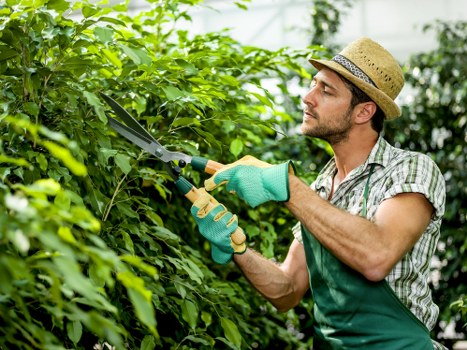
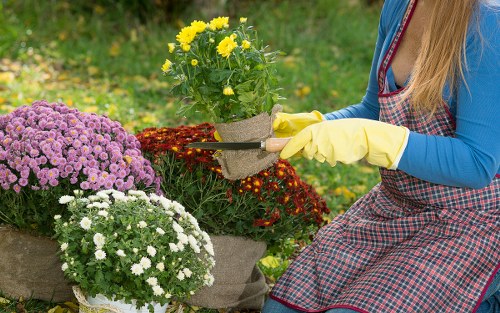 Equipment and machinery are inspected and maintained on a routine schedule. Only trained and authorised personnel operate mowers, chainsaws, hedge cutters and other powered plant. Fuel and battery charging are managed in designated areas with spill kits and fire precautions in place to reduce environmental and safety risks.
Safe handling and storage of hazardous substances is mandatory. Material Safety Data Sheets (MSDS) or equivalent information is available for all chemicals used in gardening and landscape maintenance. Application of pesticides and fertilizers follows manufacturer instructions and best practice to protect operatives, visitors and nearby plantings.
Working at height protocol: use appropriate access equipment, inspect ladders and platforms before use, and ensure a competent person supervises any elevated work. For tree work, approved climbing systems and rescue plans are required. Where possible, carry out such work during periods of low public footfall to reduce risk to worshippers and visitors.
Lone working and lone operatives in temple gardens are covered by specific measures including check-in arrangements, provision of mobile communication, and risk assessment for tasks performed without immediate supervision. High-risk activities should not be undertaken alone.
Traffic management on sites where vehicles, delivery vans or maintenance trailers operate is controlled by designated routes, speed limits and segregated pedestrian walkways. Signage and barriers are used during work to protect the public and staff. Vehicle loading and unloading follows safe systems to prevent injuries.
Training and competence are central to reducing harm. All staff receive induction covering this policy, site-specific hazards, manual handling, PPE use, basic first aid and emergency procedures. Refresher training and task-specific competency checks ensure standards are maintained across Garden Maintenance Temple services.
Incident reporting: all accidents, near misses and unsafe conditions are reported promptly and investigated. Lessons learned are shared and controls updated. First aid provision is maintained, and emergency response plans are prepared for fire, medical emergencies and environmental incidents.
 Record keeping and performance monitoring include maintenance logs, training records, risk assessment registers and incident reports. Regular safety audits and site inspections drive continuous improvement. Metrics such as incident frequency and corrective action completion rates are reviewed by management.
Engagement with stakeholders, including temple custodians and community users, supports a safety culture. Work schedules consider temple events and access requirements to minimise disruption. Communication of planned works through signage and briefings reduces public exposure to hazards.
 Policy review and continual improvement: this Health and Safety Policy will be reviewed at least annually and updated when there are significant changes to operations, equipment or regulations. Garden Maintenance Temple commits to improving safety performance and embedding good practice across all garden care and landscaping activities in the service area.
The policy is supported by documented procedures for specific activities and an open approach to safety concerns. By working together, management, supervisors and operatives ensure that our temple landscape maintenance work is carried out safely, respectfully and sustainably.