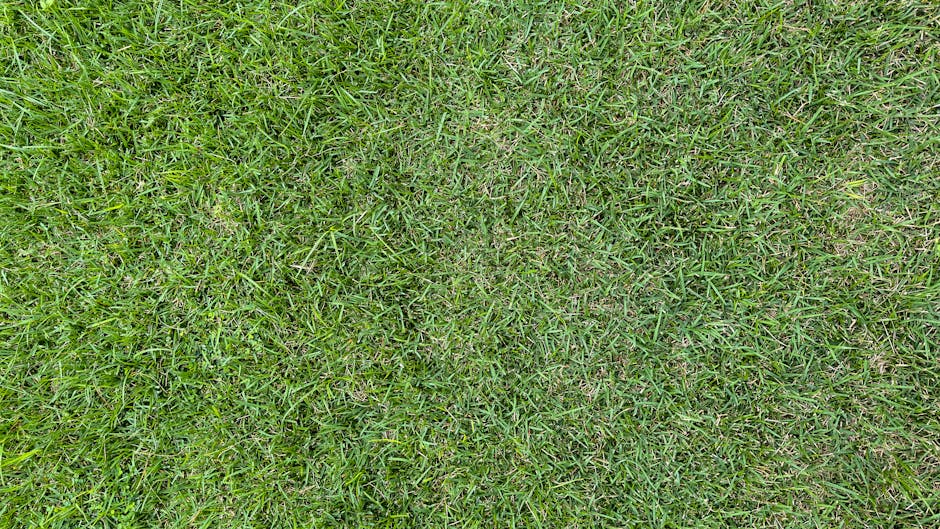
Lawn revival plan gardeners use to restore patchy turf
Patchy grass can make an otherwise tidy garden feel a bit tired, even when the borders are looking sharp and the paving is clean. The good news? A proper lawn revival plan gardeners use to restore patchy turf is usually less about dramatic measures and more about reading the lawn properly, fixing the real cause, and then working through the recovery in the right order. That might mean scarifying, aerating, overseeding, feeding, or simply changing how the lawn is cut and watered for a while.
If you've got thin areas, mossy patches, bare soil, or a lawn that never quite recovered after winter, this guide walks through the exact process gardeners tend to use. It is practical, realistic, and built around what actually helps turf bounce back, not just what sounds good on paper.
And yes, sometimes the solution is surprisingly unglamorous. A rake, some patience, and a few sensible decisions can do more than fancy products ever will.
Table of Contents
- Why a lawn revival plan matters
- How the revival process works
- Key benefits and practical advantages
- Who this is for and when it makes sense
- Step-by-step guidance
- Expert tips for better results
- Common mistakes to avoid
- Tools, resources and recommendations
- Law, compliance, standards and best practice
- Options, methods and comparison table
- Case study or real-world example
- Practical checklist
- Conclusion
- Frequently asked questions
Why Lawn revival plan gardeners use to restore patchy turf Matters
Patchy turf is often a symptom, not the actual problem. The bare spots could be caused by compaction, shade, poor drainage, pet wear, drought stress, low fertility, moss competition, or simply grass that has been cut too short for too long. If you only throw seed at the surface without fixing what caused the damage, you may get a little green-up and then the same problem all over again. Frustrating, frankly.
A lawn revival plan gives you structure. It helps you decide whether the lawn needs a light tidy-up or a deeper rescue. That matters because lawns are living surfaces. They respond to timing, moisture, airflow, cutting height, and soil condition. In UK gardens, that often means dealing with wet winters, compacted spring ground, and dry spells that can turn weak turf patchy in a matter of weeks.
Gardeners use a plan because a lawn is easier to restore when you work with the seasons. Early autumn and spring are usually the best recovery windows for overseeding and repair, while summer can be trickier unless irrigation is reliable. The point is not to chase every problem at once. It's to build momentum, one fix leading neatly to the next.
Expert summary: A patchy lawn rarely needs one magic product. It usually needs diagnosis first, then preparation, then seed or repair, and finally steady aftercare. That order matters more than the brand on the bag.
How Lawn revival plan gardeners use to restore patchy turf Works
The process is straightforward, but each step does a different job. First, the lawn is assessed. Gardeners look for moss, thatch, compacted soil, poor drainage, shallow rooting, disease-like symptoms, and worn traffic lines. They also check whether the patchiness is localised or widespread. A few dog-run marks need a different fix from a lawn that has thinned across the whole front garden.
Next comes preparation. This usually means mowing slightly lower than normal, removing clippings, raking out dead matter, and loosening the surface. If the lawn feels hard underfoot or water sits on top after rain, aeration is often useful. Hollow tine aeration is especially helpful on compacted ground because it physically removes cores and lets air, water, and nutrients move down into the root zone.
After that, gardeners overseed the thin areas or the whole lawn if the turf is broadly tired. The new seed settles into the prepared surface and uses the improved soil contact to germinate. A light top dressing can help protect seed, improve moisture retention, and smooth out uneven spots. Then comes feeding, watering, and careful mowing once the new grass is established.
The key idea is simple: don't try to repair the lawn while it is still suffocating. Open it up first, then feed it.
Key Benefits and Practical Advantages
A good lawn revival plan does more than make the grass greener. It improves how the whole garden feels and how it functions day to day. You notice it when you walk across the lawn barefoot and it feels springy instead of brittle. You notice it when the mower passes more evenly. You notice it in the way the border plants suddenly look better because the lawn is no longer competing with mud and bare soil.
- Better coverage: Overseeding fills in open patches and reduces the contrast between healthy turf and weak spots.
- Improved resilience: Stronger root systems cope better with foot traffic, dry spells, and seasonal stress.
- Less moss and weed pressure: Denser grass leaves fewer gaps for weeds to move in.
- Cleaner appearance: A repaired lawn lifts the whole garden visually, even if the rest of the layout stays the same.
- More efficient maintenance: Once turf density improves, mowing and feeding become more effective.
There is also a practical money angle, though gardeners tend to say this quietly. Restoring a lawn early often costs less than allowing the problem to spread until sections need resodding or major ground work. Sometimes a modest rescue plan is enough. Sometimes it isn't. But catching it early usually helps.
Who This Is For and When It Makes Sense
This approach is useful if your lawn has thinned after winter, looks scalped in places, has been damaged by pets or children, or has become patchy because the soil underneath is too tight and starved of air. It's also a smart option if you've just moved into a property and inherited a lawn that is, to be fair, trying its best but clearly needs help.
It makes sense for homeowners, landlords, and anyone who wants a tidy garden without ripping the whole lawn out. It also suits people who prefer staged improvement over a full landscaping project. If the lawn is mostly grass but has a few weak areas, revival is usually the right route. If the turf is more bare soil than living lawn, that is a different conversation and may point toward larger-scale landscaping or broader garden works.
Sometimes the lawn is not the only issue. Overgrown hedges can block light, heavy pruning debris can smother the edges, and neglected borders can spill into the turf. In those cases, services such as hedge trimming or garden clearance may be the sensible first step before you even touch the grass.
Step-by-Step Guidance
1. Assess the damage properly
Start by walking the lawn slowly. Look for dry patches, soggy patches, footprints that stay visible too long, moss, weeds, and places where the soil is exposed. If the issue is mostly at the edges, shade or border competition may be to blame. If it is in the middle, compaction or heavy wear is often more likely.
2. Choose the right time
Spring and early autumn are the safest recovery windows in most UK gardens. The soil is warm enough for seed to germinate, and the weather is usually kinder than mid-summer. You can do repair work later in the year, but you'll need to be much more careful with watering.
3. Mow the lawn at a sensible height
Cut the grass a little shorter than usual, but not harshly. Scalping a weak lawn just makes it weaker. Think neat, not brutal. If the lawn is very shaggy or clogged with cuttings, a proper cut from a professional lawn mowing service can create a cleaner starting point.
4. Rake out thatch, moss, and dead grass
Use a spring tine rake or scarifier to remove surface debris. Thatch is the spongy layer of dead stems and roots that sits between grass and soil. A little is fine. Too much blocks water and fertiliser. This step can look rough at first. Honestly, the lawn may look worse before it looks better.
5. Aerate compacted areas
If the ground feels hard or water pools after rain, aerate it. Hollow tine aeration is best for badly compacted soil, while solid tine aeration can be used for a lighter refresh. The aim is to give roots room to breathe.
6. Overseed the thin areas
Spread a suitable grass seed blend across the bare and thin sections. Rake it lightly into the surface so it makes contact with soil. For larger patchy lawns, overseeding the whole area often gives a more even finish than spot-fixing isolated bald patches.
7. Top dress if needed
A thin layer of suitable top dressing can help level the lawn and improve seed-to-soil contact. Keep it light. Too much dressing can smother new growth, which is a common mistake and a fairly annoying one.
8. Feed and water carefully
Use a lawn feed that supports recovery rather than forcing a quick, weak flush of growth. Water gently but consistently so the seedbed stays damp, not waterlogged. If you can see the surface drying and cracking, you've gone too far. If it's soggy, you've also gone too far. Gardening does enjoy its little extremes.
9. Protect new growth
Keep pets, children, and heavy foot traffic off the repaired areas while the seed establishes. Newly sown grass can look temptingly green after a few days, but it is still fragile underneath. Give it time.
10. Resume mowing at the right point
Once the new grass has rooted and reached mowing height, trim it lightly and use a sharp blade. Dull blades tear new grass and slow recovery. That really matters. A clean cut helps the lawn thicken rather than fray.
Expert Tips for Better Results
Gardens are rarely textbook-perfect, so the best lawn revival plans leave room for judgement. In our experience, a few simple habits make a big difference:
- Test the drainage with your eyes before anything else. If water lingers, solve that first.
- Match the seed to the site. A shaded front garden needs a different approach from a sunny back lawn.
- Work in thin layers. Small, repeated improvements usually beat one heavy-handed job.
- Keep edges tidy. Untidy borders and encroaching plants can keep robbing light and moisture from the turf.
- Follow recovery with maintenance. A revived lawn still needs routine care, not a long holiday.
A useful little trick: if a patch is thin but not dead, avoid overworking it. Light rake, seed, light cover, water. That is often enough. Overcomplicating the repair can damage the healthy grass around it, which is not ideal and a bit soul-destroying if you've already spent the afternoon on your knees.
If the whole garden needs regular attention, it may be worth combining lawn repair with a broader garden maintenance plan so the turf, borders, and hard edges all improve together.
Common Mistakes to Avoid
Most failed lawn repairs are not failures of effort. They are timing mistakes, watering mistakes, or simple overconfidence. We've all been there. The grass looks patchy, you want it sorted quickly, and suddenly the lawn is buried under too much seed or hammered with too much fertiliser.
- Scalping the lawn: Cutting too short weakens the existing grass and exposes soil.
- Skipping soil preparation: Seed placed on compacted, mossy, or thatchy ground struggles.
- Using the wrong seed mix: A cheap general mix may not suit shade, traffic, or drought exposure.
- Overwatering or underwatering: Consistency matters more than quantity.
- Feeding too aggressively: Fast growth is not the same as healthy recovery.
- Walking on new seedlings too soon: It undoes the work in minutes.
- Ignoring the cause: If pets, poor drainage, or shade remain unchanged, patchiness often returns.
One of the quietest mistakes is doing too much too soon. A lawn revival should feel deliberate, not frantic.
Tools, Resources and Recommendations
You do not need a garage full of specialist equipment to restore patchy turf. That said, having the right basics makes the job cleaner and less frustrating. A few well-chosen tools will usually get you most of the way there.
| Tool or material | What it helps with | Why it matters |
|---|---|---|
| Spring tine rake | Removing dead grass and surface thatch | Improves airflow and seed contact |
| Scarifier | Heavier thatch and moss removal | Useful for lawns that feel spongy or clogged |
| Aerator | Relieving compaction | Helps water and nutrients reach the roots |
| Grass seed | Overseeding bare or thin areas | Choose a mix suited to shade, wear, or general recovery |
| Top dressing | Levelling and protecting seed | Improves finish and moisture retention |
| Sharp mower | Ongoing maintenance | Prevents tearing and stress on new turf |
If the lawn is part of a larger outdoor project, you may also need help with surrounding work, such as landscape gardening, minor boundary tidy-ups, or even the occasional structural improvement like decking services if the garden layout is being refreshed more broadly.
For people who want the lawn revived as part of a full property tidy, services overview pages are often a practical starting point because they help you see how the jobs fit together.
Law, Compliance, Standards and Best Practice
For a standard domestic lawn revival, there are usually no special legal hurdles. Still, gardeners should follow sensible best practice, especially in occupied homes, shared access spaces, or managed properties. In the UK, that means working safely, disposing of green waste responsibly, and using products in line with the manufacturer's instructions.
If machinery is being used, especially scarifiers, aerators, or powered mowers, safe handling matters. Noise, trip hazards, flying debris, and wet ground are all part of the real-world picture. Reputable garden firms normally treat this as routine and take care around people, pets, and surfaces. If you are hiring help, it is fair to ask about insurance and safety so you know the work is being handled properly.
Waste handling is another practical point. Moss, clippings, and scarified debris should be removed and disposed of responsibly. If you are clearing a lawn as part of a larger tidy-up, recycling and sustainability practices can make the work cleaner and more environmentally sensible. And if you ever need to understand how a company handles bookings, terms, or payment, it is perfectly normal to review payment and security information before committing.
None of that is complicated. It's just good workmanship, really.
Options, Methods, or Comparison Table
Different lawns need different levels of intervention. A small patch after dog damage is not the same as a tired, mossy lawn that has spent three winters under shade. Here is a simple comparison gardeners often use when deciding how much work is needed.
| Method | Best for | Pros | Limitations |
|---|---|---|---|
| Spot repair | Small bald patches or local damage | Quick, low cost, minimal disruption | Can look uneven if the wider lawn is weak |
| Overseeding | Thin or patchy lawns with some healthy grass remaining | Improves density and uniformity | Needs good watering and patience |
| Scarify + overseed | Lawns with moss or thatch | Better seed contact and cleaner surface | Looks rough at first |
| Aerate + overseed | Compacted, worn lawns | Helps roots recover and improves drainage | Usually slower than a cosmetic fix |
| Resurfacing or relaying | Very poor turf with extensive bare areas | Fast visual reset | More expensive and more disruptive |
As a rule, gardeners try the lightest method that will genuinely solve the issue. That keeps the garden usable and avoids unnecessary cost. If the lawn is beyond reasonable repair, a larger redesign through landscaping may be the better long-term answer.
Case Study or Real-World Example
A typical example: a front lawn in a terraced UK garden starts looking patchy after a wet winter and a dry spring. The shaded side near the fence gets mossy, the centre is compacted from repeated foot traffic, and the edge near the path has become thin where the mower used to scalp it a bit too closely. Nothing dramatic, but enough to make the whole space feel scruffy.
The revival plan would usually begin with a careful mow, then a light scarify to remove the dead mat. The compacted centre gets aerated. The thin and bare sections are overseeded, then dressed lightly with a suitable top dressing. A recovery feed is applied, watering is kept even, and foot traffic is restricted for a few weeks. The lawn may look patchy again for a short time, which is normal. By late season, though, the grass is denser, the soil is softer, and the lawn holds together much better.
That kind of result is common when the diagnosis is right. Not magic. Just steady work done in the right order.
Practical Checklist
Use this as a quick pre-start and follow-up checklist for restoring patchy turf:
- Inspect the lawn for shade, drainage, wear, moss, and compaction.
- Choose a suitable season, ideally spring or early autumn.
- Mow the lawn to a sensible height, not too low.
- Remove dead grass, moss, and thatch from the surface.
- Aerate compacted areas where needed.
- Overseed bare and thin sections with the right grass mix.
- Apply a light top dressing if the surface needs help.
- Feed gently and water consistently.
- Keep people, pets, and heavy traffic off the repairs.
- Resume mowing carefully once new growth is established.
- Review what caused the patchiness so it does not return.
If the lawn is only one part of a garden that has become overgrown, a combination of lawn repair and garden clearance can make the whole space easier to manage again.
Conclusion
A lawn revival plan gardeners use to restore patchy turf is really a practical sequence of decisions: assess, prepare, repair, protect, and maintain. That sounds simple because, in many cases, it is. The challenge is doing the right things in the right order and resisting the urge to rush. Patchy lawns often recover better when the work is calm, measured, and matched to the conditions underfoot.
If you take one thing from this guide, let it be this: healthy turf starts below the surface. Fix the soil and the structure, and the grass has a far better chance of doing its job. Little by little, the garden starts to feel cared for again. And that's a good feeling, isn't it?
Get a free quote today and see how much you can save.
Frequently Asked Questions
How do gardeners restore patchy turf without replacing the whole lawn?
They usually start by identifying the cause, then scarify, aerate, overseed, and feed the lawn in stages. If the grass is still partly healthy, this is often enough to bring it back without full replacement.
What is the best time of year to revive a patchy lawn in the UK?
Spring and early autumn are generally the best times because the soil is workable and temperatures support seed germination. Summer can work too, but only if watering is reliable.
Should I scarify or aerate first?
In many cases, scarifying comes first if there is heavy thatch or moss on the surface. Aeration is added when the soil underneath is compacted. Some lawns need both, but not every lawn does.
Can I overseed a lawn after mowing it short?
Yes, but only cut it slightly shorter, not scalped. You want enough exposure for the seed to reach the soil while keeping the existing grass healthy enough to support recovery.
Why does my lawn keep going patchy in the same places?
Repeated patchiness usually points to a local issue such as shade, drainage, foot traffic, pet wear, or compaction. If you repair the surface without fixing that cause, the same spots often fail again.
How long does it take for lawn seed to fill bare patches?
It depends on temperature, moisture, and seed type, but you should expect a gradual process rather than an instant fix. New grass needs time to germinate, root, and thicken.
Do I need top dressing for a patchy lawn?
Not always. Top dressing is useful when the surface is uneven or when you want better seed contact and moisture retention. For some small repairs, a light rake and overseed is enough.
What is the biggest mistake people make when reviving a lawn?
One of the biggest mistakes is skipping preparation. Seed on compacted, thatchy, or mossy soil usually struggles. Too much watering too soon is another common one.
Is patchy turf ever beyond repair?
Yes, sometimes. If the lawn is mostly bare, badly drained, or structurally unsuitable, a full renovation or landscaping approach may make more sense than repeated patch repairs.
Can regular mowing help repair a patchy lawn?
Yes, but only if the mower is set correctly and the blade is sharp. Cutting too short makes weak turf weaker. A steady mowing routine supports recovery once new growth is established.
Should I hire a gardener for lawn revival or do it myself?
If the problem is small and you're comfortable with the steps, it can be a manageable DIY job. If the lawn is heavily compacted, very mossy, or part of a larger garden tidy-up, professional help may save time and avoid trial and error.
How can I tell if patchiness is caused by shade or poor soil?
Shade-related patchiness usually appears in the same low-light areas year after year. Poor soil or compaction tends to show up as weak roots, hard ground, and water that sits on the surface after rain. Often, it is a mix of both.