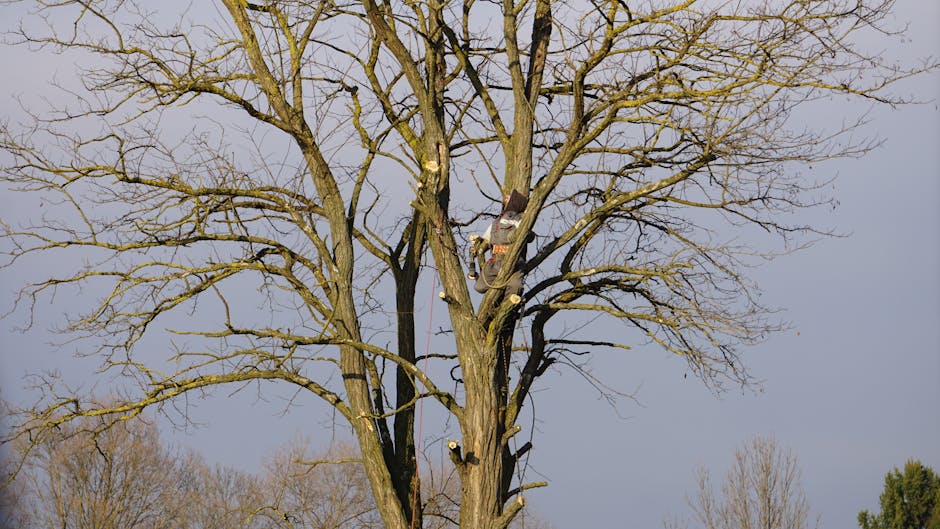
Safe tree pruning steps used by trained gardeners
Tree pruning looks straightforward from a distance. A pair of loppers, a ladder, a few branches down, job done, right? Not quite. In real gardens, safe tree pruning steps used by trained gardeners are about far more than making a tree look tidy. They protect the tree's structure, reduce the chance of accidents, and help you avoid the kind of mistake that can leave a tree stressed for years. If you have ever looked at an overgrown apple tree in February or a wind-battered ornamental in a small back garden and thought, where do I even start?, you are in the right place.
This guide breaks the process down in plain English. You will learn how trained gardeners assess a tree, choose cuts carefully, work safely, and finish with a cleaner, healthier result. We will also cover when pruning is sensible, when it is not, and where good practice matters just as much as the cut itself. If your garden is part of a bigger maintenance plan, you may also find it useful to look at garden maintenance and tree lopping and removal as related services.
Table of Contents
- Why safe tree pruning matters
- How safe tree pruning works
- Key benefits and practical advantages
- Who this is for and when it makes sense
- Step-by-step guidance
- Expert tips for better results
- Common mistakes to avoid
- Tools, resources and recommendations
- Law, compliance, standards, or best practice
- Options, methods, or comparison table
- Case study or real-world example
- Practical checklist
- Conclusion
- Frequently asked questions
Why safe tree pruning matters
Safe pruning is not just about protecting the person with the saw. It is also about protecting the tree, the garden, nearby property, and anyone walking underneath. A badly timed or badly placed cut can invite disease, weak regrowth, or a lopsided canopy that catches the wind in all the wrong ways. And once a branch has been removed incorrectly, you cannot simply put it back. Trees are patient, but they do remember.
Trained gardeners approach pruning with a simple idea: every cut should have a reason. That reason might be removing a dead limb, improving light levels, stopping rubbing branches, or reducing pressure on a split stem. In a small London garden, for example, one overextended branch can shade a whole border, scrape a fence, and dump leaves across a patio. In a large front garden, the same issue might be safety and sightlines. Different setting, same logic.
There is also the seasonal side of it. A pruning cut made at the wrong time can be fine on one species and disruptive on another. That is why one-size-fits-all advice is usually poor advice. Trained gardeners think in terms of species, structure, weather, and the tree's condition, not just the date on the calendar.
Expert summary: Safe pruning is really a mix of observation, timing, good tool control, and restraint. The best cut is often the one that removes less than you first wanted.
How safe tree pruning works
The process starts before a blade touches wood. A trained gardener first reads the tree. They look for deadwood, crossing branches, dense growth, poor unions, disease signs, storm damage, and any hazards below, such as glass, paving, parked vehicles, or overhead cables. That quick assessment shapes everything that follows.
Next comes the pruning plan. This is where experience really shows. Instead of hacking away at random, a skilled gardener decides whether the tree needs thinning, reduction, deadwood removal, crown lifting, or simple maintenance pruning. These are not fancy labels for the sake of it. They describe different outcomes. Thinning opens the canopy. Reduction shortens extended growth. Deadwood removal takes out brittle or non-living material. Crown lifting raises clearance above paths or lawns. Each has a different risk profile and a different effect on future growth.
Then the actual cut is made with clean, controlled technique. Trained gardeners usually work from the outside in, using the right tool for the branch size, and making cuts just outside the branch collar where the tree can compartmentalise the wound more effectively. They avoid tearing bark, leaving stubs, or cutting flush against the trunk. A tidy-looking flush cut can be one of the least friendly things you can do to a tree. Looks neat, behaves badly.
Finally, the work is tidied up and checked. Good pruning leaves the tree balanced, not stripped. The canopy should still feel natural. You should not be left with a row of awkward spikes or a tree that now looks scared of the wind. If the job has produced a heavy amount of arisings, they are usually removed as part of wider garden clearance or garden clearance, especially where the cut material is too bulky for ordinary green waste handling.
Key benefits and practical advantages
There is a reason trained gardeners are careful with pruning. When done properly, it gives you benefits that go beyond appearance.
- Better tree health: removing dead, diseased, or rubbing growth reduces stress and supports cleaner regrowth.
- Lower risk of breakage: balanced trees are less likely to shed heavy limbs in wind or wet weather.
- More light and airflow: a well-managed canopy helps sunlight reach lawns, borders, and patios.
- Safer access: lifting low branches can improve movement around paths, driveways, and seating areas.
- Cleaner garden presentation: pruning often sharpens the whole space, not just the tree itself.
- Less future corrective work: small, regular cuts are usually easier than dramatic rescue pruning later on.
There is a quieter benefit too: confidence. A lot of garden owners feel uneasy about trees because the consequences of a mistake are not always immediate. A trained, measured approach takes away that guesswork. You can enjoy the tree, not worry about it every time the weather turns.
And to be fair, trees often look better when they are left a little character rather than forced into a shape that only makes sense on paper.
Who this is for and when it makes sense
Safe pruning is relevant to a wide range of people. Homeowners with mature trees. Landlords trying to keep shared gardens tidy. Property managers who need paths and access routes kept clear. Anyone with fruit trees that need annual shaping. Even people with newly planted trees benefit from gentle formative pruning, because the early years set the structure for later life.
It makes sense when a tree is encroaching on a boundary, casting too much shade, touching a roof, or growing in a way that creates friction between branches. It also makes sense after storms, once a professional check confirms the tree is still stable. If you are already planning broader work such as hedge trimming or lawn mowing, pruning can often be timed into the same visit so the whole garden feels properly looked after.
There are times when pruning is not the answer. If a tree is heavily decayed, badly uprooted, or structurally unsafe, reduction pruning may not solve the underlying problem. That is where a more serious assessment is needed. In some situations, removal is the safer route. That is not dramatic. It is just honest arboricultural judgement.
Step-by-step guidance
Here is the practical sequence used by trained gardeners. It is not glamorous, but it works.
- Inspect the tree from all sides. Look for deadwood, disease, cracks, weak unions, crowded growth, and anything likely to fall. Check what is beneath the canopy too. A patio table under the tree changes the whole risk picture.
- Identify the goal. Are you improving shape, reducing weight, increasing light, or clearing space? A clear goal stops you overcutting.
- Choose the right season. Many deciduous trees are best pruned during dormancy, while some species need more specific timing. Flowering and fruiting habits matter. Quite a lot, actually.
- Gather the right tools and safety gear. Use clean secateurs, loppers, a pruning saw, gloves, eye protection, and stable access equipment where needed. If the branch is beyond safe reach, stop there.
- Remove dead, damaged, or diseased wood first. This is usually the least controversial work and improves visibility for the rest of the job.
- Work on crossing or rubbing branches next. Remove the weaker or badly positioned branch to prevent future wounds.
- Make proper cuts at the right point. Cut just outside the branch collar. Do not leave a stub. Do not cut into the trunk. That middle ground matters more than people think.
- Thin or reduce only as much as needed. Step back regularly. Trees can look fine mid-job and then suddenly too sparse after one more cut. That last branch is often the troublemaker.
- Keep checking balance. View the tree from different angles. What looks even from the front may be awkward from the side.
- Tidy, clear, and review. Remove debris, inspect the finished shape, and confirm there are no hanging pieces or sharp stubs left behind.
If you are working near decking, paths, or structures, it is worth coordinating with other outdoor tasks so pruning does not undermine recent improvements. For example, a freshly cut tree over a timber seating area might need the surrounding space refreshed too, which is where decking services or landscaping can become part of the bigger picture.
Expert tips for better results
Here are the details that separate a decent prune from a really good one.
- Prune little and often rather than all at once. Trees recover better from modest, regular maintenance than from dramatic interventions.
- Use the three-cut method for larger branches. This helps prevent bark tearing: an undercut, a top cut to remove the weight, then a final clean cut near the collar.
- Watch the branch angle. A branch with a narrow attachment is more likely to split later, especially if it carries weight or catches the wind.
- Keep tools sharp and clean. Blunt blades crush tissue. Dirty blades can spread problems between plants. It is one of those unglamorous habits that matters more than people expect.
- Think in future growth, not just today's shape. A branch you remove now may allow a stronger framework to develop over the next two or three seasons.
- Mind neighbouring plants. A tree above a shaded border, fern bed, or mature shrub area may need selective work so the whole garden stays in balance.
A small real-world observation: after a rainy morning, cuts can look obvious because the bark darkens and the canopy is heavier. Step back, have a quick look from inside the house if you can, and ask yourself whether the tree still feels like a tree. That sounds obvious, but it saves a lot of overpruning.
Also, don't rush the end of the job. The last five minutes are where tidy work happens. Messy endings usually start with impatience. Happens to the best of us.
Common mistakes to avoid
Most pruning problems come from overconfidence or poor timing. The following mistakes show up again and again.
- Topping the tree: removing the top or cutting large limbs back to stubs is one of the worst things you can do. It leads to weak regrowth and an ugly, stressed canopy.
- Leaving long stubs: a stub dries out and dies back, leaving an entry point for decay and an untidy appearance.
- Removing too much at once: a heavy reduction can shock the tree and make regrowth chaotic.
- Cutting at the wrong point: too close to the trunk or too far away from the collar can both cause trouble.
- Ignoring the tree's species: not every tree behaves the same way. Some respond well to winter pruning; others do not.
- Using unsafe access: balancing on unstable ladders or overreaching with tools is how accidents happen.
- Forgetting about weather and ground conditions: wet grass, slick paving, or gusty wind can turn a simple task into a hazard.
There is a common temptation to "just tidy it up a bit more." That phrase has caused many unnecessary cuts. If the tree already looks better, stop. Really. Stop there.
Tools, resources and recommendations
Trained gardeners do not need complicated kit, but they do need the right kit. The actual tools depend on branch size and access, yet the basics are fairly consistent.
| Tool or item | Used for | Why it matters |
|---|---|---|
| Secateurs | Small stems and young growth | Clean cuts on fine material |
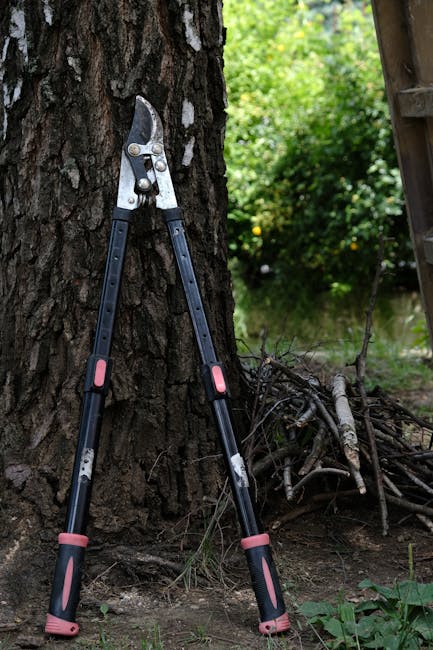
| Loppers | Medium branches | More leverage, less strain |
| Pruning saw | Thicker branches | Better control on larger wood |
| Gloves | Hand protection | Improves grip and reduces minor injury risk |
| Eye protection | Flying chips and snapped twigs | Simple but essential safeguard |
| Stable access equipment | Higher work only where appropriate | Reduces overreaching and falls |
| Disinfectant or cleaning materials | Tool hygiene | Helps reduce transfer of problems |
On the practical side, useful garden services often sit alongside tree work. If pruning is part of a wider garden tidy-up, you may want to explore garden maintenance as a way to keep the whole space in shape through the seasons. If the work is more about reshaping an overgrown plot, landscape gardening may be relevant too.
For safety-minded homeowners, it is also sensible to understand how a provider approaches risk. A page like insurance and safety can be useful when you are judging who should handle work above shoulder height or close to buildings.
Law, compliance, standards, or best practice
Tree pruning in the UK is not just a gardening task; it can overlap with property responsibility, neighbour relations, and local protection rules. If a tree is subject to a tree preservation order, or sits in a conservation area, pruning may require permission before work starts. The exact position can vary, so it is always sensible to check locally rather than assume you are free to cut first and ask later. That approach rarely ends well.
Best practice also means understanding the duty of care around overhanging branches, falling debris, and work near public access. In practical terms, a trained gardener will think about public safety, site access, and disposal of arisings. If a branch could affect a shared path, a neighbouring boundary, or a parked vehicle, the job should be planned rather than improvised.
Where a company is involved, customers often expect clear communication about methods, risk controls, and what happens to waste. That is where policy pages such as health and safety policy, terms and conditions, and recycling and sustainability help build trust. They are not decoration. They show how a business thinks.
To be fair, good tree care is usually less about quoting the rulebook and more about behaving as though the tree, the customer, and the garden all matter equally. That mindset travels well.
Options, methods, or comparison table
Different pruning approaches suit different goals. Here is a simple comparison to make the choices easier.
| Method | What it does | Best for | Main caution |
|---|---|---|---|
| Deadwood removal | Takes out dead or broken branches | Safety and tidiness | Do not remove living growth by mistake |
| Thinning | Reduces density through the canopy | Light, airflow, wind resistance | Avoid over-thinning and a sparse look |
| Reduction | Shortens outward growth | Managing size near buildings or boundaries | Use careful cuts to avoid distortion |
| Crown lifting | Raises the lower canopy | Access over paths, lawns, and driveways | Do not create a lollipop effect |
| Formative pruning | Shapes young trees early | Long-term structure | Small mistakes early can become permanent |
Which method is right? Usually, the answer depends on the tree's age, species, and setting. A young ornamental in a front garden may need gentle formative cuts. A mature tree overhanging a shed may need limited reduction and deadwood removal. A fruit tree might need a mix of thinning and selective shortening. There is no single winning method. Just the right one.
Case study or real-world example
Picture a medium-sized garden with a mature plum tree near a fence and a narrow patio beneath it. The owner wants more light, less leaf drop into the seating area, and a tree that feels safer in windy weather. A trained gardener would not simply cut the top off to reduce shade. Instead, they would inspect the crown, remove dead and rubbing branches, thin congested growth, and reduce a few extended limbs that lean too far over the patio.
Because the tree is near a fence, the gardener would also watch the direction of each cut so branches do not tear and damage the boundary. The work would likely be done in stages, with regular pauses to step back and check the shape from the patio door as well as from the lawn. That little habit matters. A tree can look balanced from one angle and oddly compressed from another.
By the end, the tree still keeps its character, but the garden feels lighter and easier to use. The patio catches more daylight in the afternoon, the branches are less crowded, and the owner is not constantly brushing past low growth. Nothing dramatic. Just properly judged pruning. That is often the best kind.
Practical checklist
Use this checklist before and during pruning. It keeps the work grounded.
- Identify the tree species if possible.
- Check for signs of disease, decay, or storm damage.
- Confirm whether the tree has legal protection or local restrictions.
- Choose the right season for the species and the goal.
- Gather clean, sharp tools and suitable safety gear.
- Clear the ground beneath the canopy.
- Decide the pruning objective before making any cuts.
- Start with dead, damaged, or diseased branches.
- Make clean cuts just outside the branch collar.
- Step back regularly and review the shape from different angles.
- Stop before the tree starts to look stripped or unbalanced.
- Remove arisings safely and inspect the finished work.
If the job feels bigger than expected once you are halfway through, that is usually a sign to slow down rather than push on. A measured pause can save the tree.
Conclusion
Safe tree pruning steps used by trained gardeners are built on observation, restraint, and proper technique. That is the real secret. Not flashy tools. Not quick fixes. Just a calm, structured approach that respects the tree and the space around it.
When pruning is done well, you get more than a neat silhouette. You get better light, safer access, healthier growth, and a garden that feels looked after rather than merely trimmed. And if the work sits alongside wider seasonal care, it can make the whole outdoor space feel more settled and easier to enjoy. A bit like finally clearing a cluttered shelf in a room you use every day.
Get a free quote today and see how much you can save.
For a closer look at the team behind the work, you can also read about us or get in touch through contact us when you are ready to talk through your garden needs.
Frequently Asked Questions
What are the safest tree pruning steps for a homeowner to follow?
Start by inspecting the tree, clearing the area below, and deciding what actually needs removing. Use clean tools, make small cuts first, and never overreach. If the work moves above shoulder height or involves thick branches, it is usually wiser to stop and get help.
When is the best time to prune most trees?
It depends on the species and the reason for pruning. Many deciduous trees are pruned during dormancy, while flowering and fruiting trees often need more careful timing. The safest answer is to check the tree type before making seasonal assumptions.
How do trained gardeners avoid damaging a tree while pruning?
They cut at the right point, usually just outside the branch collar, and remove growth in a planned sequence. They also avoid taking too much at once. The tree should still look balanced and natural after the work, not forced into shape.
Is it okay to prune a tree in summer?
Sometimes, yes. Light maintenance, deadwood removal, or minor corrective pruning may be fine in summer for some species. But heavy pruning in the wrong season can stress the tree, so timing should be chosen carefully rather than guessed.
What is the difference between pruning and lopping?
Pruning is selective and considered. Lopping usually means cutting large branches back without much regard for structure, which can leave poor regrowth. Trained gardeners aim to prune, not hack. There is a big difference in the long run.
Should I remove all dead branches from a tree?
Dead branches should usually be removed because they can fall unexpectedly and may conceal other issues. That said, a full inspection matters, because some deadwood can signal a larger structural problem that needs more than simple pruning.
How much of a tree can be pruned safely at once?
There is no universal number that suits every tree. The safe approach is to remove only what is needed for the goal, then stop and review. Heavy reduction should be avoided unless a professional assessment says it is appropriate.
Can pruning help a tree survive strong winds?
Yes, sometimes. Thinning a crowded canopy or removing weak, crossing, or damaged branches can reduce wind resistance. But over-pruning can have the opposite effect by forcing weak regrowth. Balance matters more than bare volume.
Do I need permission to prune a tree in the UK?
In some cases, yes. Trees may be protected by a tree preservation order or located in a conservation area. If you are unsure, check locally before starting work. It is much easier than trying to explain an accidental cut afterwards.
What safety gear should be used for pruning?
At minimum, strong gloves and eye protection are sensible. For more involved work, stable access equipment and the right cutting tools are also important. Safety gear does not make pruning casual, but it does make it much less risky.
How do I know if a tree should be pruned or removed?
If the tree is largely healthy and the issue is shape, shade, or minor structural congestion, pruning may be enough. If there is major decay, repeated failure, or a serious lean with instability, removal may be the safer option. A proper assessment is the key.
What should happen to the branches after pruning?
They should be cleared safely and disposed of responsibly. In many gardens, this becomes part of the wider tidy-up or recycling process. If you are planning more work, coordinating waste removal at the same time can save a lot of hassle.
Why hire trained gardeners for tree pruning instead of doing it myself?
Because trained gardeners bring judgement as well as tools. They know how to read a tree, how much to remove, where the risks are, and when not to cut at all. That combination is hard to beat, and it often leads to better long-term results.